01 Agentic systems02 Computer vision03 ML & model trainingOne connected delivery loop ↗
01 / SYSTEMS IN PRACTICE
Under the hood. Out in the real world.
Explore how the pieces fit together. Interactive demonstrations and a recorded vision example.
agent-workbench / system mapINTERACTIVE DEMO
CLIENT OUTREACH / PITCHAPP
Prospect intelligence to reviewed draft
Ready
EXECUTION TRACE00/07
HUMAN GATE
The flow pauses before any message can enter a delivery queue.
Architecture-based simulation. No email is sent.
TENDER RADAR / TED EVIDENCE
Official notice to human decision
Ready
EXECUTION TRACE00/07
HUMAN GATE
The flow pauses before a proposal draft or workflow decision.
Architecture-based simulation. No tender is submitted.
AGENTIC APPLICATIONS
Two systems. Visible control points.
Explore a client outreach pipeline grounded in PitchApp and an evidence-first tender workflow grounded in Tender Radar. Each map separates automated processing from the decision a person must make.
Python
React
SQLite
Evidence gates
vision-lab / basketballRECORDED EXAMPLE
COMPUTER VISION / TRACKING
Recorded output · no live inference
DETECT→STABILIZE→TRACK→VFX
COMPUTER VISION
See the signal. Handle the noise.
Custom basketball detection with temporal constraints, impossible-motion rejection, and gap handling. Track positions and masks become inputs for real-time visual effects.
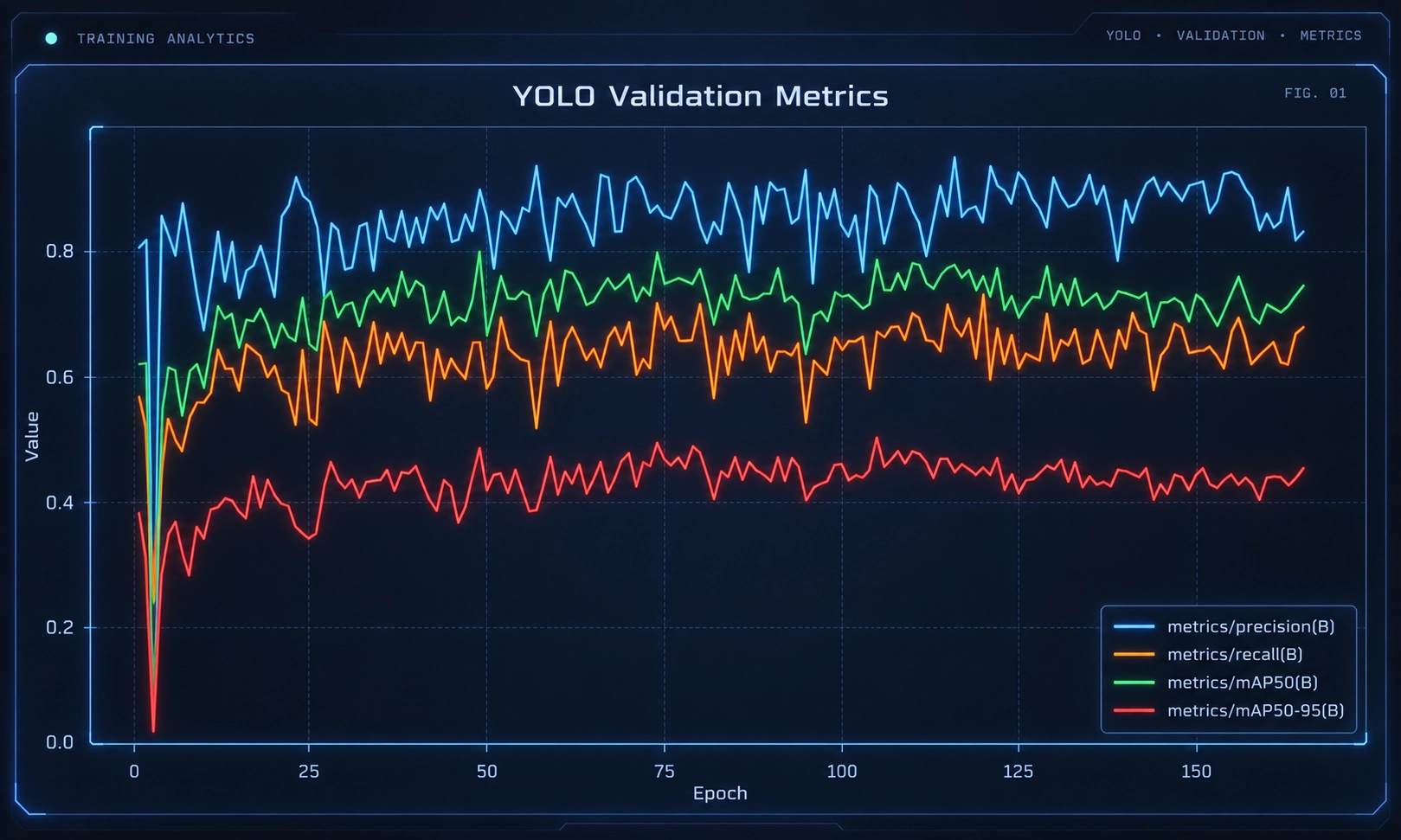
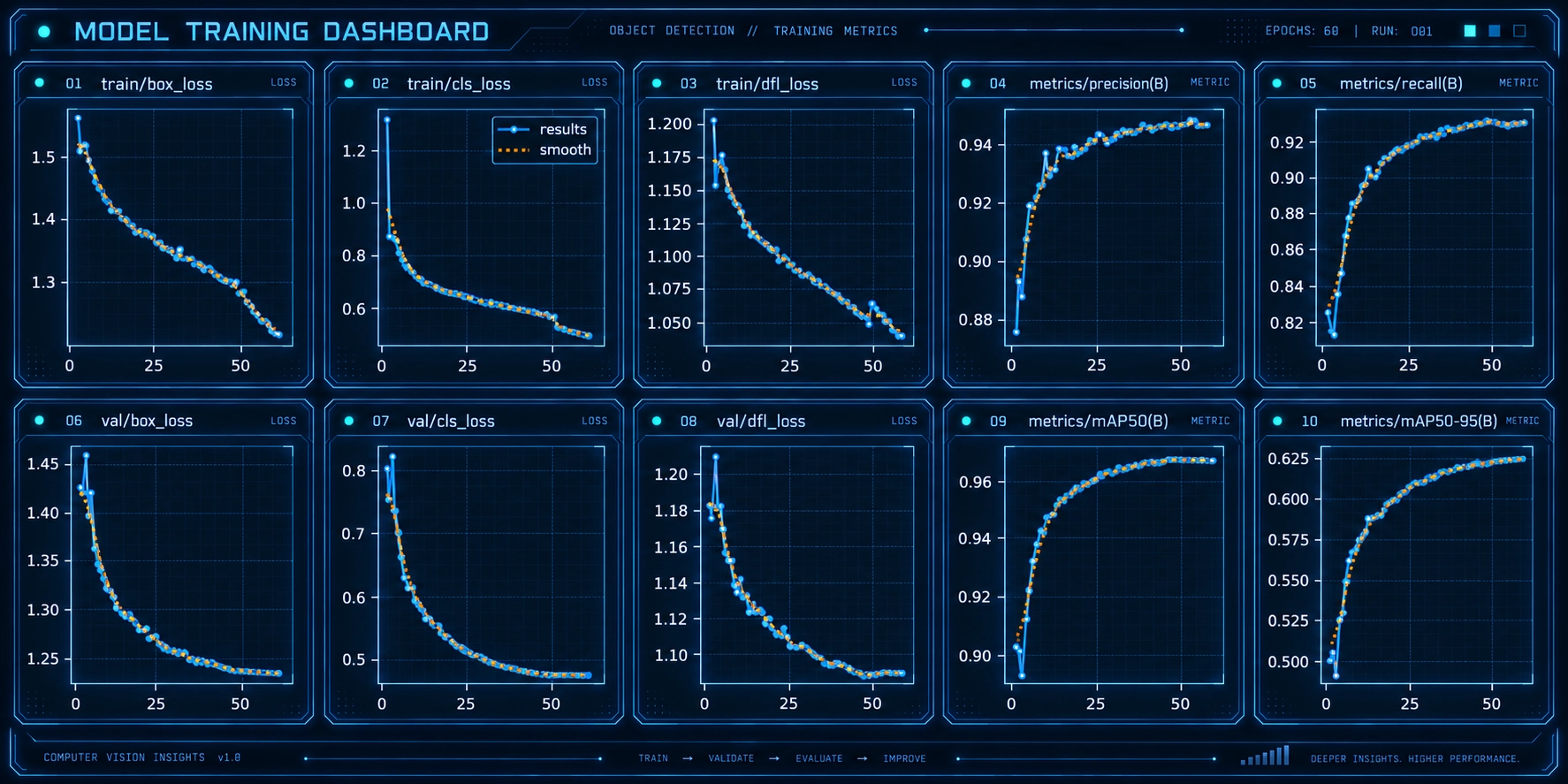
This graph reproduces the 82 completed epochs from the YOLO26l v2 basketball detector run. Switch between loss and mAP, inspect individual epochs, and see the best recorded mAP50–95 at epoch 57.
YOLO26l
PyTorch
CUDA
Evaluation
ALSO IN THE TOOLBOX
⌁
Sign language recognition
Landmarks, sequence windows, candidate ranking, and controlled prediction triggers.
◎
PPE & helmet detection
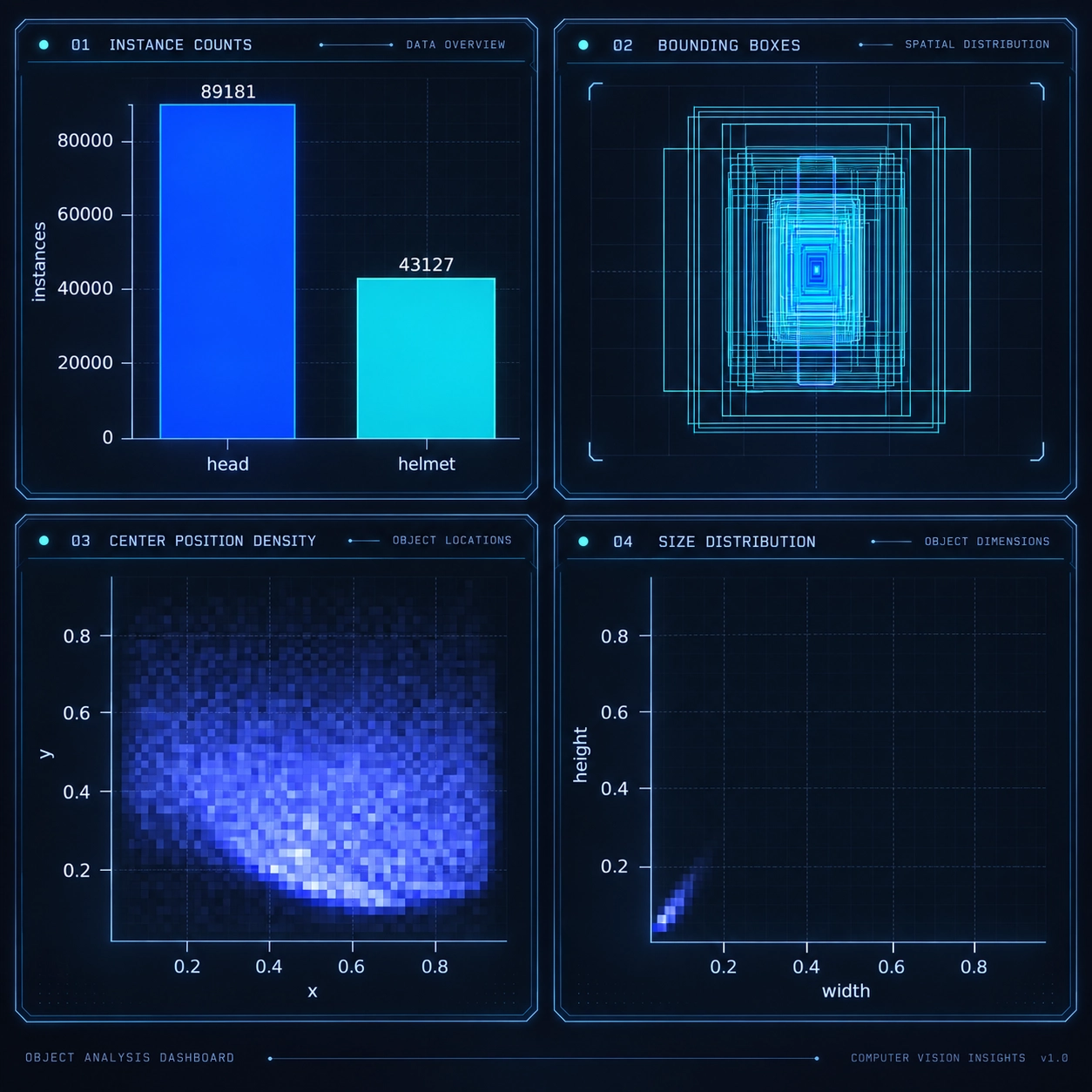
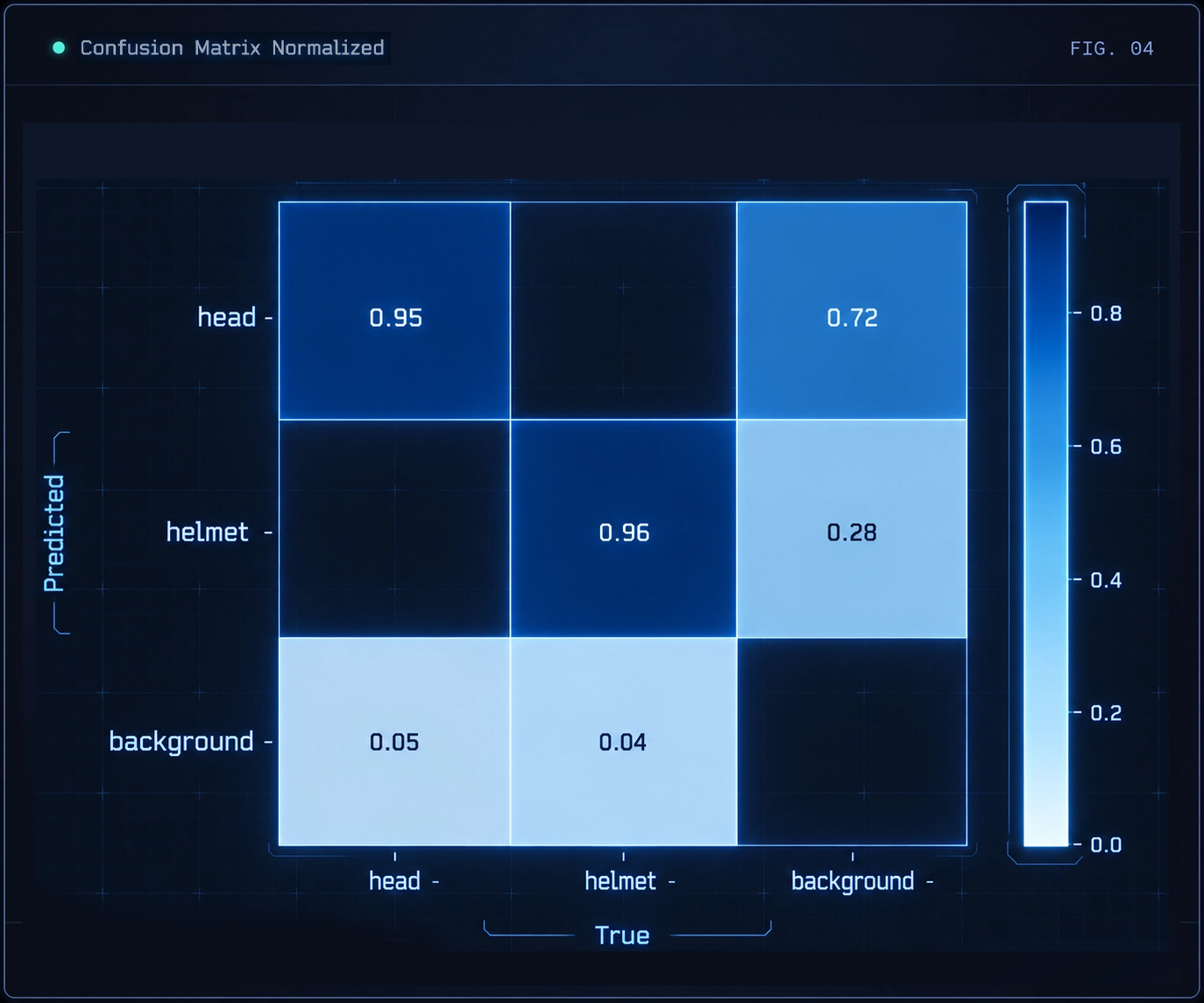
Custom YOLO training and video inference with thresholds and visual verification.
02 / ENGINEERING CAPABILITIES
Build the whole loop.
Models are a starting point. Delivery includes everything around them.
{ }01
Agents & applied AI
Turn a business workflow into a grounded, stateful application with deliberate control over what the model can do.
RAG & structured model outputs
Tool permissions & approval gates
Persistent state & failure recovery
Scheduling, rate limits & audit trails
[⊙]02
Vision & video systems
Make camera and video signals useful through preprocessing, model inference, temporal logic, and practical UX.
Detection, segmentation & tracking
Landmarks & sequence classification
Confidence & motion constraints
Mask export & real-time integration
↗03
Training & inference
Prepare the data, establish an evaluation loop, then package the model into an application that can be operated.
Inputs, expected outputs, integrations, and the cost of getting it wrong.
SCOPE & SUCCESS CRITERIA
02 /
Establish a baseline
Inspect the data, separate validation sets, and test a bounded first approach.
FEASIBILITY & EVALUATION
03 /
Build the loop
Connect models, state, tools, and UI. Make failures and review points visible.
WORKING PILOT
04 /
Make it operable
Package inference, verify deployment constraints, document, and hand over.
DELIVERY & HANDOVER
04 / THE ENGINEER BEHIND THE SYSTEMS
Hi, I’m Yehor. I connect the dots.
I work across model behavior and software delivery: data, training, evaluation, inference, state, and the interface people actually use.
My background in Unity and Unreal real-time applications carries into computer vision and AI systems—where camera input, timing, and feedback loops matter as much as the model.
Computer Science · National Aerospace University, KhAI NVIDIA training · LLM applications, real-time video AI, and Jetson
Not necessarily. Start with the required behavior and a baseline using an existing model. Custom training or fine-tuning makes sense when the evaluation and available data justify it.
What do you need to assess a project?+
A short description of the problem, representative inputs, expected outputs, current software, and deployment constraints. We can then define a bounded feasibility assessment or pilot.
Can you integrate into our existing software?+
Yes. APIs, persistent state, interfaces, and containerized inference can be scoped alongside model work. Access, hosting, review points, and handover are agreed around your environment.